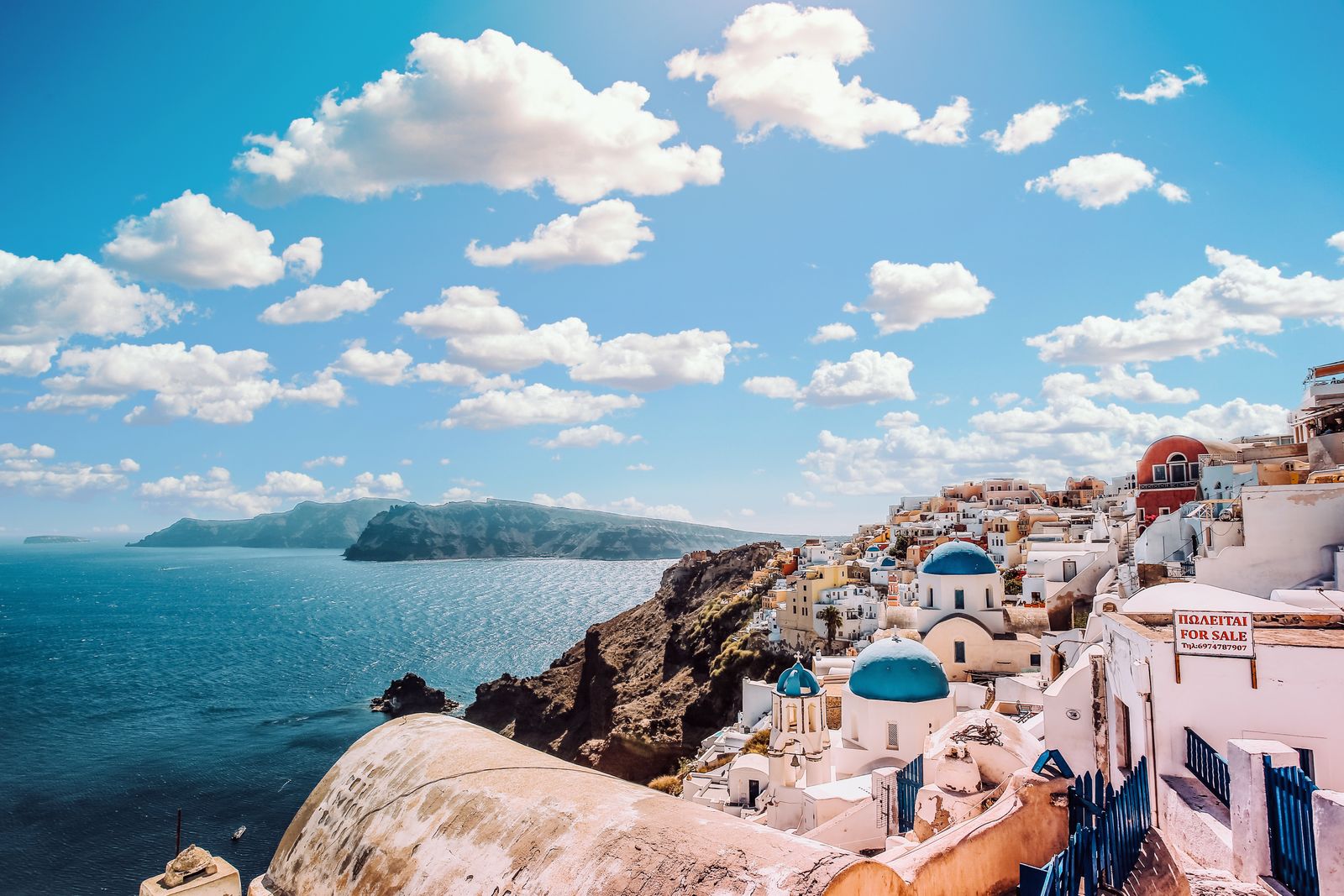
Destination · Luxor
Luxor works best as a two-bank story.
East Bank evenings, West Bank dawns. Separate the temple density so the stone still means something.
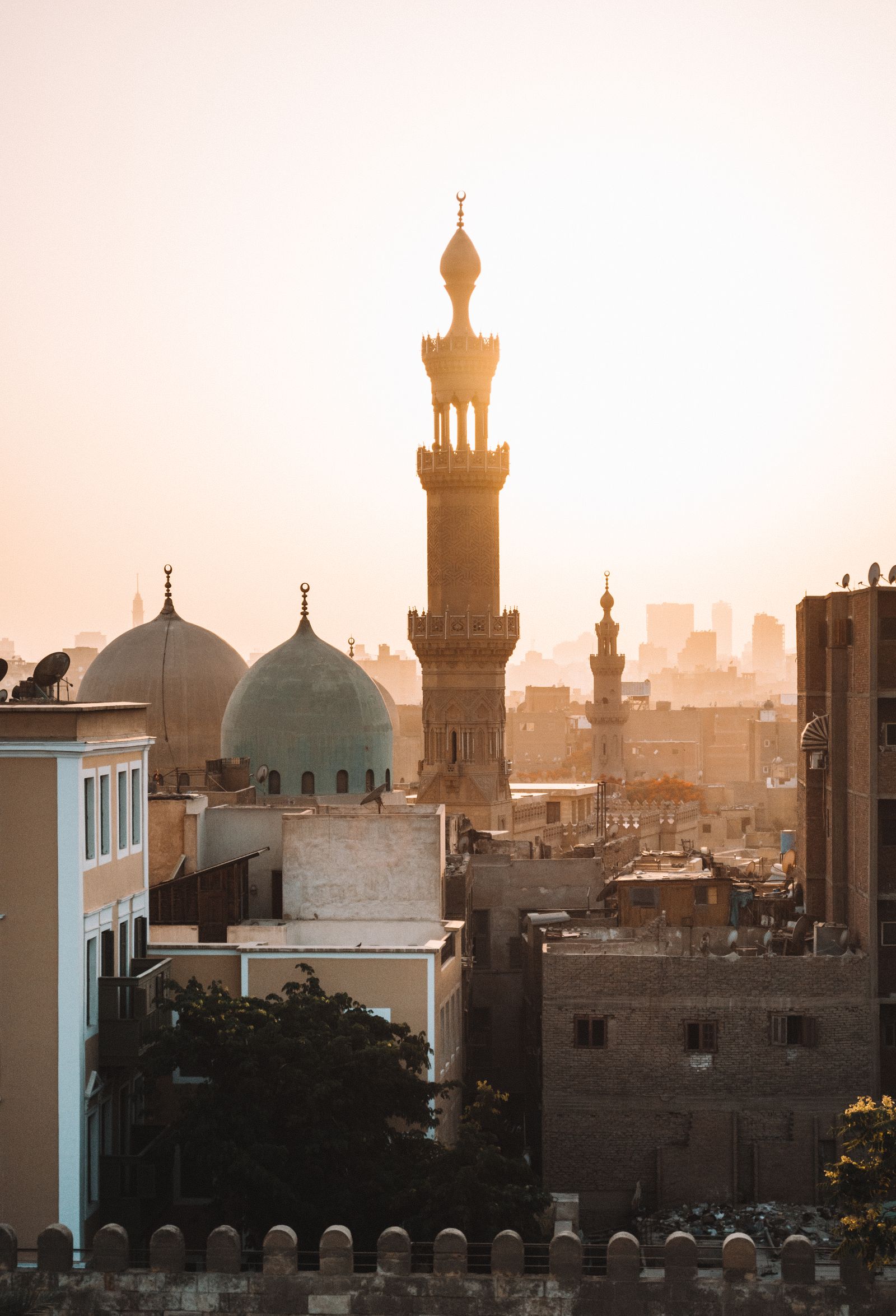
Luxor is where many travelers finally understand why Egypt’s ancient sites were placed with landscape in mind — river, cliffs, cultivation. It is also where itineraries go wrong by stacking Karnak, Valley of the Kings, Hatshepsut, and Luxor Temple into a single scorched day.
A calmer split
West Bank: start before heat builds. Tombs and memorial temples ask for cool air and attention. Hire a driver for the day or join a small group that does not race.
East Bank: Karnak rewards a long morning or late afternoon. Luxor Temple is strongest near sunset when the avenue lights begin and the stone picks up warmth.
If you remember only one Luxor rule: never schedule your deepest tomb visit for mid-afternoon in summer.
Between the monuments
Leave space for the Nile itself — a short felucca hour, a riverside tea, a walk that is not aimed at a ticket booth. Luxor’s hospitality scene is used to travelers; that can be helpful, but it also means gentle firmness helps when you want quiet rather than a package.