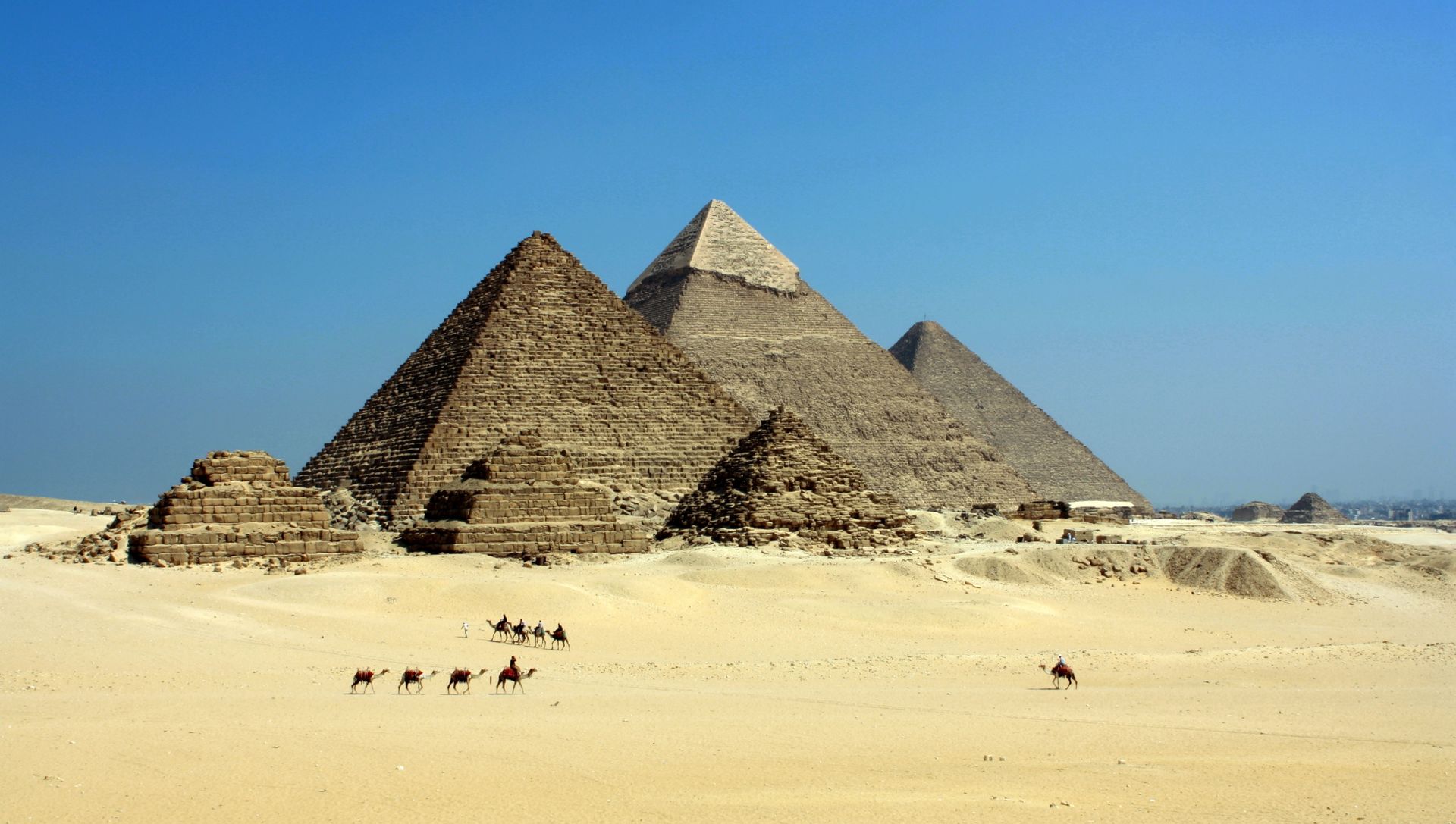
Pyramids of Giza under a clear Egyptian sky

Issue 07 · El Shorouk Desk

Egypt Pass

A working journal for travelers who want the country — climate, pace, and street rhythm — not a recycled brochure.

The desk thesis

Egypt is not one trip. It is a sequence of climates you have to respect.

Temple stone, coastal humidity, desert wind, and Cairo density do not share a schedule. Treating them as one checklist is how good trips turn exhausting.

Egypt Pass is written from El Shorouk, on the eastern edge of Greater Cairo — close enough to the capital’s pulse, far enough to think clearly about pacing. We publish destination corridors, seasonal timing, food notes, and long field pieces for travelers who prefer specific advice over inspirational fog.

If you are planning a first visit, start with one corridor and enough nights. If you are returning, use the journal to refine the gaps: the Red Sea town that matches your dive style, the Luxor split that keeps tombs human, the Alexandria overnight that city day-trips usually spoil.

How we work
Close view of pyramid stone under morning light

Giza plateau · early arrival window

Write for decisions

Every guide should help you choose a night count, a start time, or a transfer buffer — not just admire a place.

Season before sites

Heat, wind, and holiday crowds rewrite the same itinerary. Calendar first, monuments second.

Local meal clocks

Food is logistics and culture. Follow when neighborhoods eat, and the city opens differently.

Good Egypt travel writing should save you from three frictions: the wrong season, the wrong pace, and the wrong assumption that the country is a single postcard.
Egypt Pass editorial note · Cairo Governorate

Destination corridors

Four axes that actually hold a first week together

Do not try to “do Egypt.” Pick a corridor, give it days, then decide whether the coast or the desert deserves the next stamp in your plan.

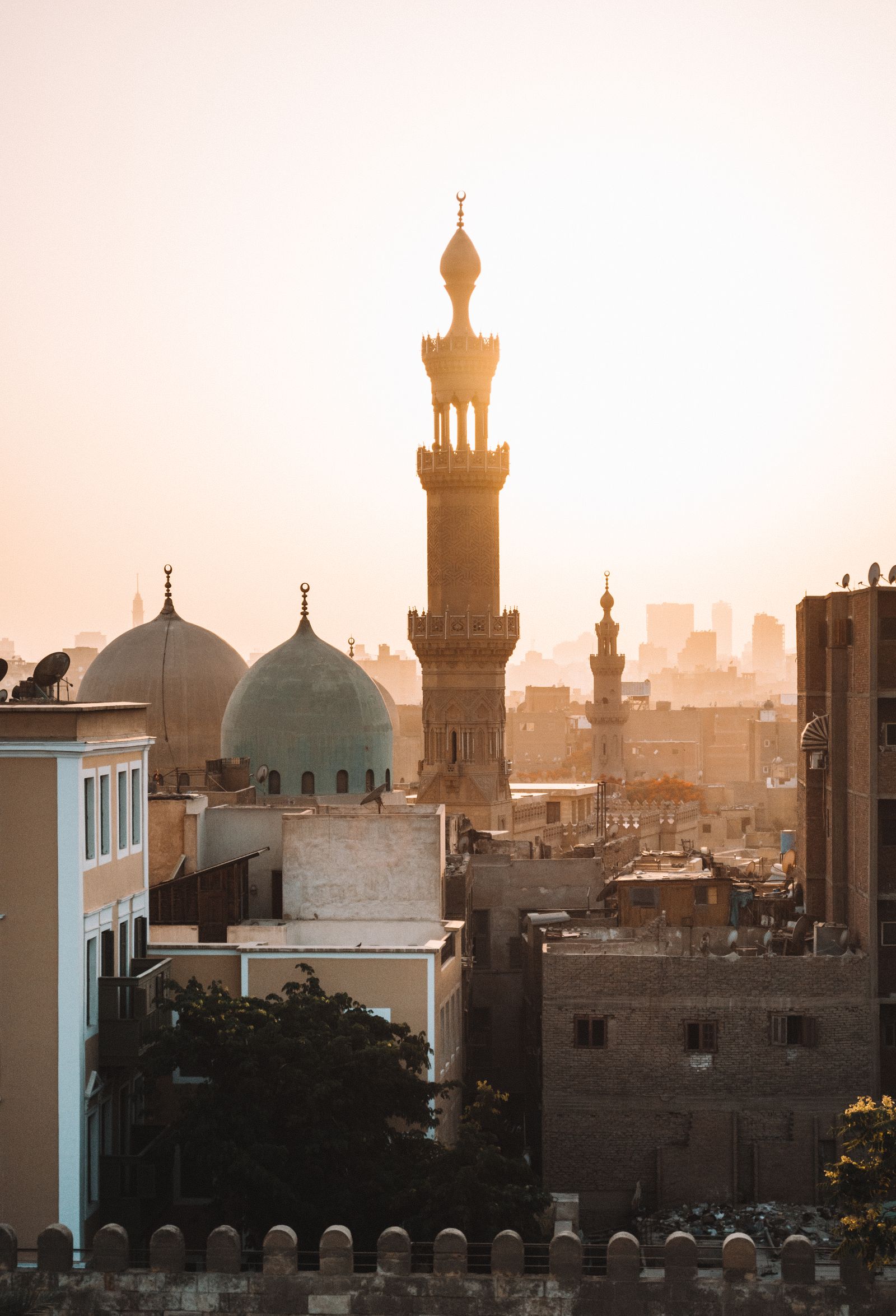
Historic mosque interior light in Cairo

Capital density

Cairo

Museum mornings while your legs are fresh. Giza at opening. Old-city evenings when the heat drops and the streets thicken with ordinary life. Cairo is not a layover — it is a city that teaches you how Egypt moves.

3–4 nights Early starts Traffic buffers
Cairo field guide
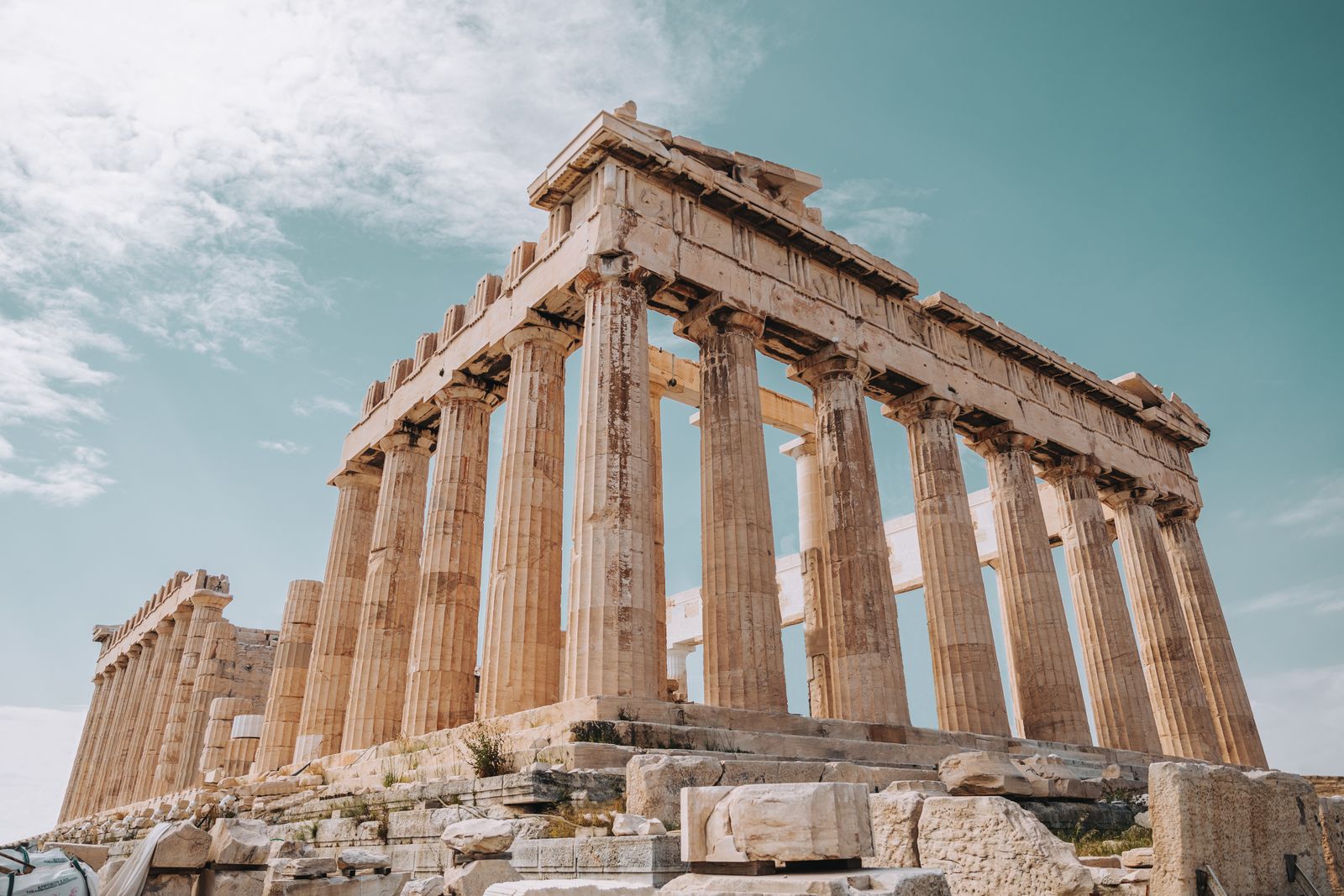
Massive columns at Luxor Temple

Temple banks

Luxor

West Bank before the stone cooks. East Bank when the light softens. Luxor rewards travelers who refuse to stack Karnak, the Valley, and sunset temple photography into one scorched day.

2–3 nights Two-bank split Nile optional
Luxor pacing guide
Clear turquoise Red Sea coastline

Water reset

Red Sea

After temple dust, the coast resets the body. Choose your town for the kind of water days you want — busy boat schedules, quieter southern reefs, or Sinai-side diving culture with walkable evenings.

3+ nights Wind checks Recovery arrival
Coastal guide
Alexandria coastal atmosphere

Mediterranean pause

Alexandria

Not ancient Egypt in the Luxor sense — coastal Egypt with literary weather, Corniche walks, and seafood that tastes better when you are not racing a Cairo return train.

1–2 nights Corniche evenings Skip day-trip rush
Alexandria guide

Full destinations index

Visual field notes

What the camera should be chasing

Not every Egypt photo needs a monument silhouette. Markets, decks, reef light, and desert edges tell better trip stories.

Market alley with hanging goods
Cairo market shade
Diver above Red Sea coral
Reef briefing days
White Desert rock shapes at dusk
Western Desert nightfall
Shared Egyptian dishes on a table
Neighborhood dinner clock
Felucca sail on the Nile
Short Nile hours

Before you lock flights

Habits that protect an Egypt itinerary

These are not packing gimmicks. They are pacing rules that keep the country readable when heat, transfers, and monument density start stacking.

Full logistics guide
  • 01
    Move with the heat, not against it.

    Temple courtyards at opening. Markets after late afternoon. Midday belongs to shade, museums with air, and slow meals — especially from March through October inland.

  • 02
    Leave recovery between climates.

    A dawn dive the morning after a late Luxor–coast transfer is how trips fray. Blank evenings are infrastructure, not laziness.

  • 03
    Ask for timing, not only place names.

    When a café fills, when a ferry runs, when a neighborhood quiets — that information outperforms any top-ten list printed in 2014.

  • 04
    Choose corridor depth over country breadth.

    Four solid nights in two regions beats seven shallow stamps across five. Egypt opens when you stop sprinting.

Season sense

Egypt becomes four different countries by calendar.

Winter softens the Nile valley. Spring brings wind and clearer diving windows. Summer empties temple courtyards at noon. Autumn is the quiet compromise many travelers overlook.

If you only change one thing in your planning process, change this: choose the month that matches your corridor before you fall in love with a monument list.

Open the seasonal board
Upper Egypt landscape light

Upper Egypt light · shoulder season

From El Shorouk

Write the desk when a plan gets tangled.

We are not a booking engine. We are an editorial desk that answers clear traveler questions about pacing, season, and corridor choice.

Contact form